


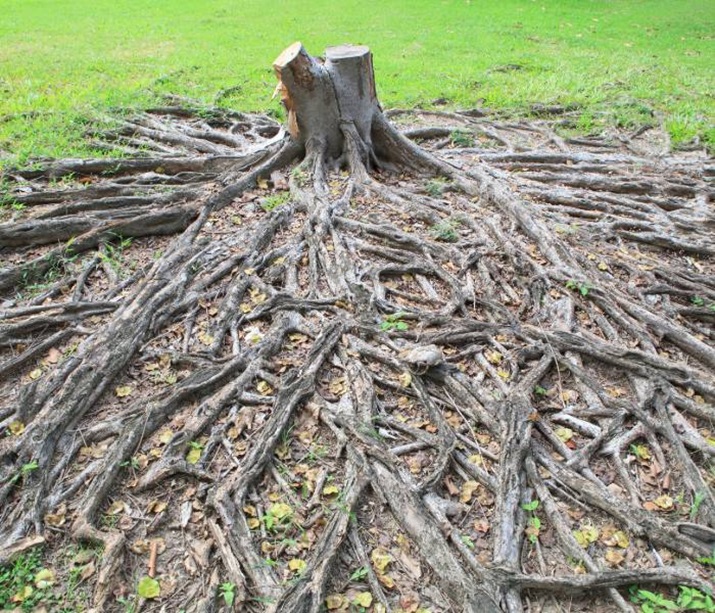
Removing a tree stump might seem like a minor task, especially compared to cutting down an entire tree. However, stumps can present their own set of challenges and safety risks. Whether you’re tackling a leftover stump from a recent tree removal or one that’s been in your yard for years, it’s essential to approach the job with caution and preparation.
Homeowners considering tree stump removal in Springfield, MO, should be aware that this task requires more than just physical effort. Using the right tools, wearing proper safety gear, and understanding the process can make a significant difference in both the results and your safety. If done wrong, stump removal can damage equipment, your landscape, or worse, cause injury.
Why Tree Stump Removal Matters
Old stumps aren’t just eyesores. They can attract pests, encourage the growth of fungus, and pose tripping hazards, especially in yards where children or pets play. In addition, they can interfere with mowing or landscaping plans. Over time, roots may even continue to grow and cause issues with sidewalks, driveways, or underground utilities.
For homeowners in areas like Springfield, where weather can impact soil movement and root spread, ignoring a stump may lead to bigger problems. That’s why timely and safe tree stump removal in Springfield, MO, is so important.
Assess the Size and Type of Stump
Before diving into the removal process, evaluate the stump’s condition:
- Is it large or small?
- Fresh or decayed?
- Does it have a deep root system?
- Are there multiple stumps close together?
These details determine which removal method is safest and most effective. For example, a small, rotting stump may be removed with a shovel and elbow grease, while a large hardwood stump might require grinding equipment or even professional assistance.
Safety Gear You’ll Need
No matter the method, always wear the right protective gear:
- Safety goggles to protect your eyes from flying wood chips.
- Heavy-duty gloves for grip and hand protection.
- Steel-toe boots are used to prevent injuries from dropped tools or logs.
- Long pants and a long-sleeved shirt.
- Wear ear protection when using power tools or a stump grinder.
This gear shields you from debris, sharp tools, and the noise of machinery. Never attempt stump removal in open-toed shoes or without eye protection.
Choose the Right Removal Method
There are several techniques for tree stump removal, depending on your situation:
Manual Removal
Best for small stumps or decayed roots. This involves digging around the stump, cutting the roots with a saw or axe, and prying it out with a shovel or crowbar. While this is labor-intensive, it’s effective and doesn’t require machinery.
Chemical Removal
Stump removal products are available that help rot the stump from the inside out. You drill holes into the wood and apply the product, then wait weeks or months for it to soften. This is safer for homeowners without heavy tools but requires patience and repeated application.
Stump Grinding
This method utilizes a powerful grinder to shred the stump into mulch. While highly effective, it can be dangerous without experience. If you rent a grinder, read the manual carefully and never operate it without full safety gear. Make sure children and pets are kept well away from the area.
For large or dense stumps in Springfield, grinding is a popular solution because it handles the job quickly and works well in clay-heavy or compact soils common in Missouri.
Clear the Area First
Before starting, inspect your work zone:
- Remove rocks, sticks, or debris around the stump.
- Check for underground cables or sprinkler lines.
- Mark out a safety perimeter to keep children and bystanders away.
Clearing the area reduces the risk of accidents and improves visibility while you work.
Watch for Hidden Hazards
Sometimes, stumps can harbor pests such as ants, termites, or even wasps. Use caution before disturbing the wood. If you notice signs of infestation, consider treating the stump first or calling a pest control professional.
Also, be cautious if the stump is near a slope or embankment; shifting soil during removal can cause unstable footing or surprise collapses.
Know When to Stop and Seek Help
Not every stump is a DIY job. You should contact a professional if:
- The stump is near your home, fence, or utility line.
- It’s too large, or the root system is deep and widespread.
- You’re using heavy machinery that you’re unfamiliar with.
Trying to save a few bucks isn’t worth a hospital visit or landscape repair. Trained pros have the equipment and knowledge to remove stubborn stumps safely.
Proper Disposal of Debris
Once the stump is out, you’ll be left with debris and a hole. Here’s how to wrap up safely:
- Fill the hole with topsoil to prevent trips or sunken ground
- Use leftover wood chips as mulch.
- Compost or arrange for a local yard waste pickup
Springfield has yard waste regulations, so check your city’s website to learn how to properly dispose of stump remnants. For statewide forestry and wood waste guidance, the Missouri Department of Natural Resources offers helpful resources.
Conclusion
Removing a tree stump is more than a landscaping task—it’s a matter of safety, both during and after the process. From selecting the right method to wearing the proper gear, every step counts. Taking the time to understand the process helps ensure a clean and injury-free result.
If you have a challenging stump or simply want professional assistance from the outset, contact the experts at Springfield Tree Trimming & Removal Service. Their team is equipped to handle tree stump removal in Springfield, MO, with the care, tools, and precision your property deserves.