


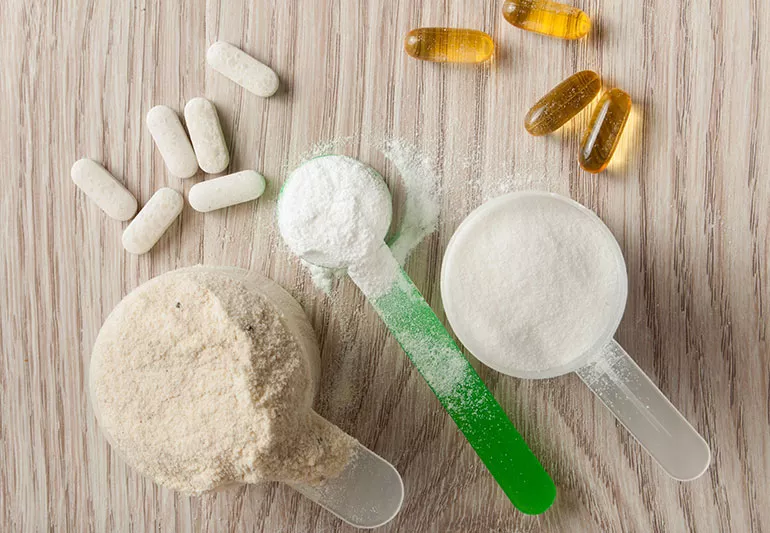
The fitness industry has experienced a massive surge in the popularity of pre-workout supplements. Walk into any gym, and you will see athletes, weightlifters, and fitness enthusiasts shaking up brightly colored drinks before their training sessions. These dietary formulas are engineered to enhance athletic performance, increase energy levels, sharpen mental focus, and delay muscle fatigue.
However, walking down the supplement aisle can be an overwhelming experience. The market is saturated with hundreds of brands, each claiming to possess a proprietary blend that unlocks superhuman performance. Many of these products rely heavily on marketing hyperbole and high doses of stimulants, while underdosing the foundational ingredients that actually improve physiological performance. To make an informed choice that aligns with your fitness goals, it is crucial to understand the specific, science-backed ingredients that make a pre-workout formula truly effective.
Energy and Focus Enhancers
The most immediate and noticeable effect of a pre-workout supplement is the surge in energy and alertness. This psychological and physiological boost helps individuals transition from a state of lethargy, perhaps after a long day at work, into a state of high readiness for physical exertion.
Caffeine Anhydrous
Caffeine is the undisputed king of pre-workout stimulants. It is a highly concentrated, dehydrated form of caffeine that acts rapidly on the central nervous system. Caffeine works by binding to adenosine receptors in the brain, which prevents the signaling molecules that cause drowsiness from doing their job.
-
Performance Benefits: Caffeine reduces the perception of effort, improves reaction time, increases fat oxidation, and enhances muscular power output during short-term, high-intensity training.
-
Effective Dosage: Clinical studies demonstrate that an effective dose ranges from 3 to 6 milligrams per kilogram of body weight. For most individuals, this translates to 150 to 350 milligrams per serving. Beginners should start on the lower end to assess their personal tolerance.
L-Theanine
L-Theanine is an amino acid naturally found in green tea leaves. While it does not provide an energetic boost on its own, it plays a vital role when paired alongside heavy stimulants like caffeine.
-
Performance Benefits: L-Theanine promotes relaxation and mental clarity without causing drowsiness. When combined with caffeine, it acts synergistically to smooth out the typical stimulant jitters. It prevents the rapid heart-racing sensation and eliminates the harsh energy crash that often occurs as the supplement wears off.
-
Effective Dosage: A proper ratio is typically 1:1 or 2:1 with caffeine. If a pre-workout contains 200 milligrams of caffeine, looking for 100 to 200 milligrams of L-Theanine is ideal.
Nitric Oxide Boosters and Vasodilators
In the fitness community, the sensation of increased blood flow to working muscles is known as the pump. Beyond the aesthetic appeal of fuller muscles, increased blood flow carries significant performance and recovery advantages.
L-Citrulline and Citrulline Malate
L-Citrulline is a non-essential amino acid that acts as a potent precursor to nitric oxide. When ingested, the body converts L-Citrulline into L-Arginine in the kidneys, which then increases circulating nitric oxide levels. This process relaxes the smooth muscles lining blood vessels, causing them to widen, a physiological process known as vasodilation.
-
Performance Benefits: Vasodilation enhances the delivery of oxygen-rich blood and essential nutrients directly to working muscle tissues. It also accelerates the clearance of metabolic waste products, such as ammonia and lactate, which allows athletes to perform more repetitions before reaching muscular failure.
-
Effective Dosage: Look for 6 to 8 grams of Citrulline Malate, which is L-Citrulline bound to malic acid, or 3 to 5 grams of pure L-Citrulline. Avoid formulas that use L-Arginine directly, as it has poor oral bioavailability and is largely broken down by the liver before reaching the bloodstream.
Muscular Endurance and Power Agents
True performance enhancement goes beyond temporary stimulation. Certain compounds accumulate in muscle tissue over time, fundamentally altering how muscles contract, produce energy, and buffer acidic environments.
Creatine Monohydrate
Creatine is the most thoroughly researched sports supplement in existence. It works by increasing the body’s stores of phosphocreatine, which is used to rapidly synthesize Adenosine Triphosphate during brief bursts of heavy lifting or sprinting.
-
Performance Benefits: Creatine increases maximal power output, enhances strength gains, and promotes cellular hydration, which stimulates muscle protein synthesis. While it does not need to be taken specifically before a workout to be effective, its inclusion in a pre-workout ensures daily consistency.
-
Effective Dosage: A standard daily dose of 3 to 5 grams of pure creatine monohydrate is required to maintain muscle saturation.
Beta-Alanine
Beta-Alanine is the ingredient responsible for the distinct, harmless tingling sensation on the skin, a phenomenon called acute paresthesia. It acts as the rate-limiting precursor to carnosine, an intracellular buffer in skeletal muscle.
-
Performance Benefits: During intense exercise, muscles accumulate hydrogen ions, causing the pH level to drop and creating an acidic environment that triggers burning and fatigue. Carnosine absorbs these hydrogen ions, maintaining a stable muscle pH and allowing athletes to sustain high-intensity efforts lasting 1 to 4 minutes.
-
Effective Dosage: To effectively raise muscle carnosine levels, a daily dose of 3.2 to 6.4 grams is necessary, which can be split across the day if the tingling sensation is too intense.
Electrolyte and Hydration Support
Hydration is a frequently overlooked variable in athletic performance. A drop of just 2% in body water weight can lead to a significant decrease in aerobic capacity, power output, and cognitive function during a workout.
-
Sodium: Sodium is the primary extracellular electrolyte lost through sweat. It is vital for maintaining blood volume, regulating fluid balance, and facilitating proper muscle contractions and nerve impulses.
-
Potassium: Working in tandem with sodium, potassium regulates fluid balance inside the muscle cells. It prevents painful muscle cramping and ensures smooth muscular contractions during prolonged training sessions.
High-quality pre-workouts include these minerals to ensure that your cells remain optimally hydrated, especially when exercising in hot environments or performing high-volume endurance training.
Avoiding Proprietary Blends
When evaluating a pre-workout supplement label, the single most important rule is to look for complete transparency. Avoid products that use proprietary blends. A proprietary blend lists a group of ingredients under a collective name, providing only the total combined weight of the blend rather than the precise dosage of each individual component.
Manufacturers often use proprietary blends to hide the fact that their product is underdosed. They may include a tiny fraction of an expensive ingredient like L-Citrulline or Beta-Alanine just to list it on the marketing panel, while filling the bulk of the blend with cheap caffeine or fillers. A quality supplement company will always print a fully transparent label, listing the exact milligram or gram amount of every active ingredient.
Frequently Asked Questions
Why does my pre-workout drink make my face and hands tingle?
The tingling or itchy sensation is caused by an ingredient called Beta-Alanine. This phenomenon is scientifically known as paresthesia. It occurs because Beta-Alanine stimulates certain nerve endings under the skin. It is entirely harmless, temporary, and usually subsides within an hour after consumption or once you begin exercising.
How long before my workout should I consume the supplement?
For optimal results, you should drink your pre-workout supplement approximately 20 to 30 minutes before your training session. This gives ingredients like caffeine and L-Citrulline enough time to fully absorb into your gastrointestinal tract, enter your bloodstream, and reach peak concentrations in your body.
Can I take a pre-workout supplement if I train at night?
Taking a standard stimulant-based pre-workout at night can severely disrupt your sleep patterns due to the long half-life of caffeine. If you train in the evening, look specifically for stimulant-free pre-workout formulas. These products omit caffeine but still contain nitric oxide boosters, creatine, and endurance agents to help you train hard without keeping you awake.
Should I cycle off my pre-workout supplement periodically?
Yes. Over time, your body builds up a tolerance to stimulants like caffeine, meaning you will need higher doses to achieve the same feeling of alertness. To reset your central nervous system sensitivity, it is advisable to cycle off stimulant-based pre-workouts for one to two weeks after every eight to twelve weeks of continuous use.
Does a pre-workout supplement break a fast?
It depends on the specific ingredients. If your pre-workout contains zero calories, artificial sweeteners, or isolated amino acids, it will generally not break a fast for weight loss purposes. However, if the product contains added sugars, carbohydrates, or Branched-Chain Amino Acids, it will trigger an insulin response and technically break a strict metabolic fast.
Is it safe to combine a pre-workout supplement with morning coffee?
It is generally not recommended unless your pre-workout is stimulant-free. Combining a highly caffeinated pre-workout with coffee can easily push your daily caffeine intake past safe thresholds, potentially causing negative side effects like heart palpitations, elevated blood pressure, severe anxiety, and stomach distress.