


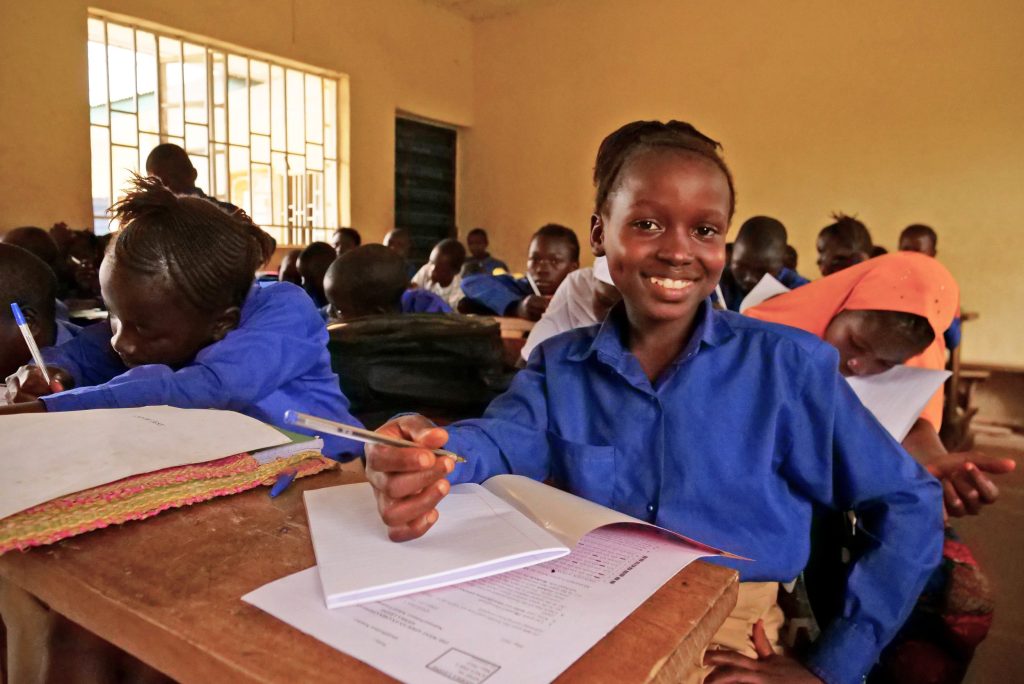
Education is the cornerstone upon which societies are built, and it has always been a powerful force for change, both on a personal and global scale. It shapes individuals, informs cultures, and drives economic development. However, as we advance into the 21st century, the very nature of education is undergoing profound shifts. With the rapid pace of technological innovation, increasing awareness of the importance of inclusivity, and the growing demand for lifelong learning, the landscape of education is evolving in ways that were unimaginable just a few decades ago.
Education, in its most ideal form, is not merely a process of imparting knowledge; it is about shaping minds, encouraging critical thinking, and fostering a sense of purpose and responsibility. It is the means by which individuals access opportunities, escape cycles of poverty, and acquire the skills needed to navigate an ever-changing world. From traditional classroom settings to cutting-edge digital platforms, education has transcended its conventional boundaries, and its transformative potential is more evident than ever.
The Power of Education: A Universal Key to Empowerment
At its core, education is about empowerment. It is a tool that enables individuals to unlock their potential, break free from limiting circumstances, and achieve personal and professional success. In many ways, it is the most direct route out of poverty, providing a path to better job prospects, higher wages, and improved quality of life. As the late Nelson Mandela aptly stated, “Education is the most powerful weapon which you can use to change the world.”
Access to education has proven time and time again to be one of the most effective ways to address global challenges, from economic disparity to gender inequality. Educating individuals—especially women and girls—leads to stronger economies, healthier communities, and more sustainable development. According to UNESCO, each additional year of schooling can increase an individual’s income by up to 10%, underscoring the direct link between education and economic opportunity. Furthermore, educated women are more likely to invest in the education of their children, creating a cycle of progress that spans generations.
In many countries, however, access to quality education remains a privilege rather than a universal right. While significant progress has been made in increasing enrollment rates across the globe, there is still much work to be done to ensure that all children, regardless of their background, can access the education they deserve. A large number of children in developing regions continue to face barriers such as poverty, conflict, and cultural norms that prevent them from attending school. Closing this educational gap is not just an issue of fairness, but one of necessity if we are to build more resilient, equitable societies.
The Changing Role of Educators in the Modern Era
As the world evolves, so too does the role of educators. Teachers have always been central to the process of learning, but their responsibilities are expanding in today’s digital age. No longer are they simply knowledge dispensers; instead, they are facilitators of critical thinking, problem-solving, and creativity. The classroom is no longer just a place for rote memorization, but a dynamic environment in which students are encouraged to question, explore, and apply their learning to real-world situations.
In an age where information is readily accessible at the click of a button, educators must also help students navigate the vast sea of data available to them. They must teach not only the “what” but also the “how”—how to analyze, interpret, and synthesize information effectively. Furthermore, teachers are being called upon to cultivate emotional intelligence, collaboration, and resilience in their students, skills that are essential for success in an increasingly complex and interconnected world.
Technology has played a key role in reshaping the relationship between teachers and students. Online learning platforms, virtual classrooms, and artificial intelligence are all transforming the ways in which education is delivered. Teachers can now personalize learning experiences for each student, ensuring that education is tailored to individual needs and preferences. Additionally, the advent of digital tools allows for a more interactive and engaging learning environment, where students can access a wealth of resources and collaborate with peers across the globe.
Despite the rise of digital education, the importance of human connection in teaching remains irreplaceable. The best educators are those who inspire and motivate their students, who listen and provide guidance beyond the textbook. They instill a love of learning and encourage students to reach for goals they may not have thought possible. As education becomes more technologically advanced, it is essential that we do not lose sight of the human element that lies at its core.
Lifelong Learning: The Key to Adapting in a Rapidly Changing World
The concept of lifelong learning has gained increasing importance in recent years. Gone are the days when education was confined to the first two decades of life. In today’s world, learning must be continuous, as individuals must constantly acquire new skills to keep pace with technological advancements, shifting job markets, and changing societal needs.
The rise of automation, artificial intelligence, and other disruptive technologies has altered the nature of work, making it imperative for workers to continually upskill or reskill throughout their careers. According to the World Economic Forum, nearly half of all employees worldwide will need reskilling by 2025, as industries are rapidly transformed by new technologies. This reality highlights the importance of fostering a mindset of lifelong learning—one that embraces the idea that education is not a finite experience but an ongoing journey.
Lifelong learning is not confined to formal education; it extends to informal learning opportunities, such as workshops, online courses, professional development programs, and self-directed study. Moreover, as the world becomes more interconnected, access to these learning opportunities is expanding. Massive Open Online Courses (MOOCs) have made education more accessible to people around the world, and online platforms like Coursera, edX, and LinkedIn Learning allow individuals to take courses from top universities and industry experts at their own pace.
The future of education, therefore, must be one that embraces flexibility and adaptability. It must allow individuals to learn in ways that fit their lifestyles and career paths, providing them with the tools to remain relevant and competitive in an ever-evolving job market. In this regard, education becomes not just a means of obtaining a job but a lifelong asset that ensures continued personal and professional growth.
The Global Implications of Education: A Path Toward Global Citizenship
Education, when approached holistically, also serves as a bridge between cultures and a means of fostering global citizenship. It provides individuals with the understanding and empathy necessary to engage with people from different backgrounds and perspectives. In an increasingly globalized world, it is crucial that education systems prepare students not only to excel in their own communities but also to contribute to a broader, more interconnected global society.
Through education, individuals gain the tools to address pressing global challenges such as climate change, poverty, and social justice. They learn to think critically about the world around them and to understand the complex interdependencies that shape our shared future. As climate change and political instability continue to create global challenges, it is imperative that we equip future generations with the knowledge and skills to find innovative solutions to these issues.
Conclusion
Education is far more than the transfer of information; it is the means by which we cultivate the leaders, thinkers, and citizens of tomorrow. It is the great equalizer, the force that can break cycles of poverty, foster social cohesion, and drive economic development. As we continue to embrace technological advances and expand our understanding of learning, education must remain flexible, inclusive, and forward-thinking. By doing so, we can ensure that it continues to empower individuals and communities, equipping them with the skills and knowledge needed to navigate and shape the world in meaningful ways.