


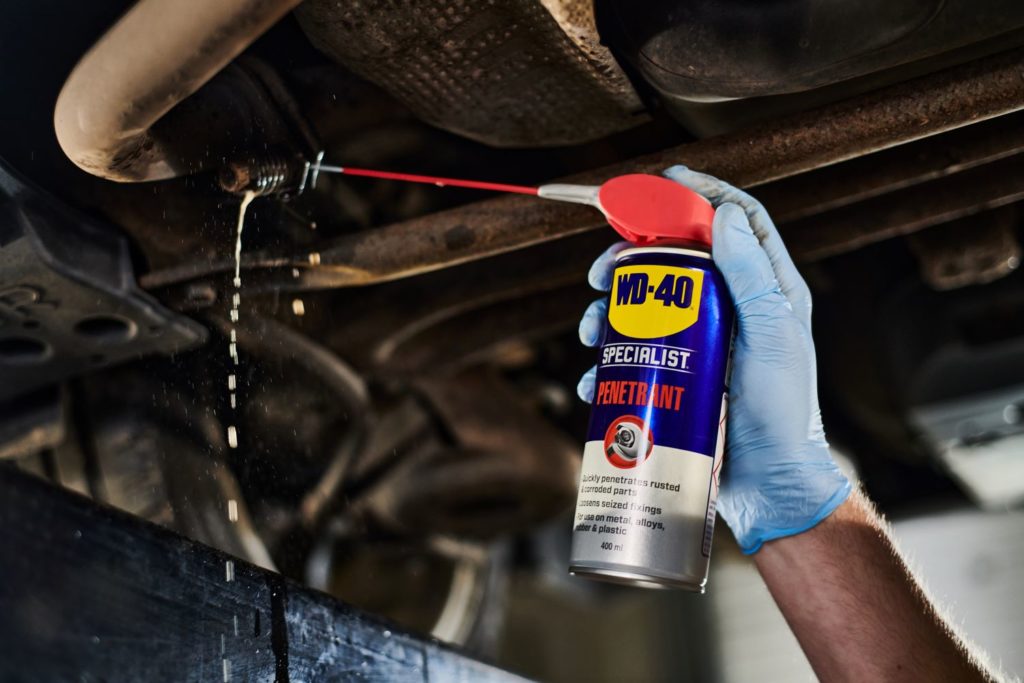
Rust can be a relentless enemy. Whether it’s causing tools to stick, machinery to malfunction, or bolts to seize up, rust’s presence can be incredibly frustrating. Fortunately, with the right approach and knowledge, you can combat this issue effectively using rust penetrant spray. In this guide, we’ll cover essential tips and tricks on how to use the best rust penetrant spray effectively and highlight why it’s one of the solutions for dealing with rust.
What is Rust Penetrant Spray?
Rust penetrant spray is a specialized lubricant designed to penetrate and break the bonds of rust, thereby loosening stuck parts and reducing friction. It’s a must-have in any toolkit, particularly for those who frequently work with metal components exposed to moisture and wear. The spray’s formula seeps into tight crevices, allowing it to reach areas that other solutions cannot.
Why Should You Use Rust Penetrant Spray?
Before we jump into the tips and tricks, it’s essential to understand the benefits of using rust penetrant spray:
- Ease of Use: Simply spray and wait. The application process is straightforward, making it user-friendly even for beginners.
- Efficiency: The spray works quickly to break down rust, saving you time and effort.
- Versatility: Suitable for various applications, from automotive repairs to household fixes.
- Protective Qualities: Many rust penetrant sprays also provide a protective layer to prevent future rust formation.
Tips for Using Rust Penetrant Spray Effectively
- Proper Preparation
Before applying the rust penetrant spray, ensure the affected area is clean. Dirt and debris can hinder the spray’s effectiveness. Use a wire brush or a cloth to remove loose rust and grime.
- Apply Generously
Don’t be stingy with the spray. Apply a generous amount to the affected area to ensure it penetrates deep into the rust. Be thorough, especially in tight spots and crevices.
- Give It Time to Work
Patience is key. After application, allow the spray some time to work its magic. Typically, waiting for 10-15 minutes should suffice, but tougher rust may require a longer duration. Check the product instructions for specific guidance.
- Use Mechanical Assistance
For stubborn rust, combine the penetrant spray with mechanical action. Use a wrench, pliers, or a breaker bar to gently wiggle the stuck part. The combination of the spray and physical movement helps break the rust bonds more effectively.
- Reapply If Necessary
Sometimes, one application isn’t enough. If the rust remains stubborn, don’t hesitate to reapply the spray. Multiple applications increase the chances of loosening the rust effectively.
- Protect the Surrounding Area
While best rust penetrants are generally safe, it’s wise to protect the surrounding areas during application. Use a cloth or paper towel to shield nearby surfaces from potential overspray and stains.
- Post-Application Care
Once you’ve successfully loosened the rusted part, clean the area to remove any residue. Apply a light coating of lubricant or rust-preventative spray to protect against future rust formation.
Best Practices for Different Applications
Automotive Repairs
When dealing with rusted car parts, especially those exposed to road salt and moisture, follow these steps:
- Remove loose rust using a wire brush.
- Apply the spray generously to the rusted bolts, nuts, or joints.
- Wait for the specified time before attempting to loosen the parts.
- Reapply if needed and use tools like wrenches to aid in loosening.
Household Fixes
For household items such as garden tools, door hinges, or plumbing fixtures:
- Clean the affected area thoroughly.
- Spray a generous amount onto the rusted part.
- Allow sufficient time for the spray to work before using pliers or similar tools to free the part.
Industrial Machinery
In industrial settings, rust can cause significant downtime and maintenance costs. To address this:
- Disconnect power sources and ensure safety protocols are in place before application.
- Apply the spray to rusted gears, chains, or fasteners.
- Use mechanical movement in conjunction with the spray to ease rusted components.
Safety Tips When Using Rust Penetrant Spray
Wear Protective Gear
Always wear gloves and safety goggles to protect your skin and eyes from potential splashes.
Work in a Ventilated Area
Ensure you are working in a well-ventilated space to avoid inhaling fumes. If indoors, open windows and doors or use fans to improve airflow.
Read the Instructions
Different brands may have specific instructions and recommendations. Reading and following the product label helps you achieve the best results safely.
Rust penetrant spray is undeniably one of the best solutions for dealing with rust. By following these tips and tricks, you can maximize its effectiveness and keep your tools, machinery, and household items in top condition. Remember, the key lies in proper preparation, application, patience, and post-application care.
Ready to tackle rust like a pro? Put these strategies to the test and experience the difference. For more expert tips and high-quality rust solutions, make sure to explore our other guidesAn error occurred during generation. Please try again or contact support if it continues.