


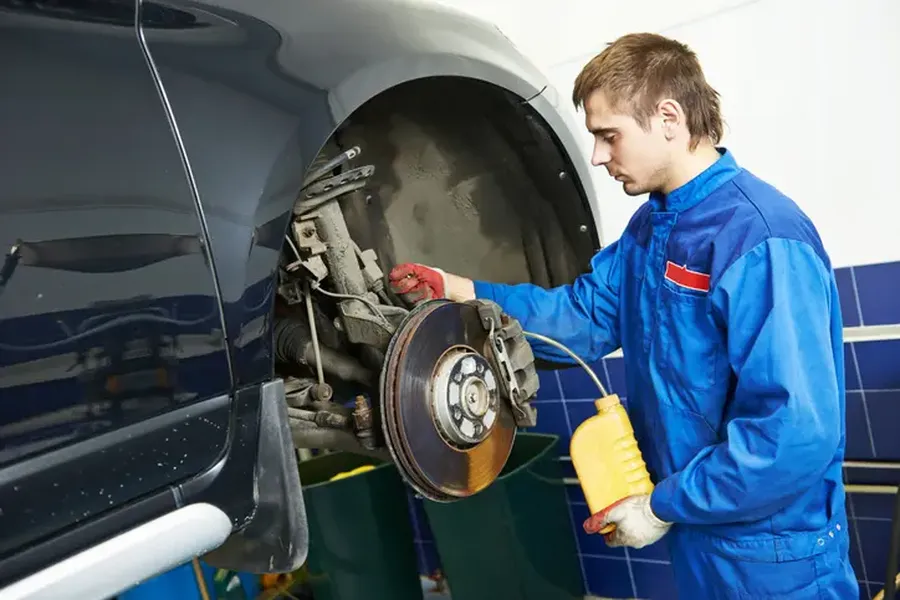
In today’s fast-paced world, busy repair shops face constant pressure to deliver fast, reliable, and cost-effective services. Whether it’s an auto repair center, an electronics repair business, or industrial machinery maintenance, downtime can be one of the biggest threats to profitability and customer satisfaction. Minimizing downtime is not just about keeping operations running; it’s about optimizing processes, using the right tools, and fostering a proactive maintenance culture. Let’s explore proven, in-depth strategies on how to minimize downtime in busy repair shops while maintaining top-tier service quality and efficiency.
Understanding Downtime in Repair Shops
Downtime refers to any period when work halts because of disruptions, equipment failure, staffing issues, or inefficient workflow. In busy repair shops, downtime can be categorized into two main types:
- Planned Downtime: Scheduled maintenance, staff training, or upgrades.
- Unplanned Downtime: Equipment breakdowns, part shortages, poor scheduling, or workflow errors.
While planned downtime is necessary and manageable, unplanned downtime is what eats into profits and productivity. The key goal for any shop owner is to reduce unplanned downtime by anticipating problems before they occur.
The Real Cost of Downtime
The cost of downtime is more than lost labor hours. It includes:
- Missed deadlines and customer dissatisfaction.
- Increased overtime costs to make up for lost productivity.
- Lower staff morale due to constant delays.
- Damage to brand reputation and customer trust.
For example, in an automotive shop, if one repair bay is idle for just an hour, it can cost hundreds of dollars in lost revenue, not to mention the domino effect it creates on scheduling and parts ordering.
Build an Efficient Scheduling System
One of the most effective ways to minimize downtime in busy repair shops is through efficient scheduling. Without a structured workflow, technicians can overlap tasks, waste time searching for tools or parts, or leave jobs incomplete. Implementing digital scheduling systems can:
- Allocate resources more effectively based on technician skill levels.
- Balance workloads to prevent bottlenecks.
- Reduce idle time between jobs.
A robust system can also send automated alerts when parts arrive, jobs are ready to start, or customer approval is needed—keeping operations flowing smoothly.
Optimize Inventory Management
Inventory mismanagement is one of the most common causes of repair shop downtime. When a technician starts a job only to find the required part unavailable, valuable time is wasted. Effective inventory management ensures that parts, tools, and consumables are always available when needed.
Here’s how to improve your inventory strategy:
- Adopt a Just-in-Time (JIT) system: Minimize excess stock while ensuring critical parts are always in stock.
- Use barcode or RFID tracking: This reduces manual errors and allows real-time monitoring of inventory levels.
- Establish strong supplier relationships: Reliable suppliers ensure quick turnaround for parts orders.
- Forecast demand: Analyze historical data to predict high-demand parts and order accordingly.
A well-organized inventory system reduces the chances of unnecessary delays and helps technicians focus on repairs instead of searching for missing components.
Prioritize Preventive Maintenance
Reactive maintenance—fixing equipment only after it breaks—is one of the biggest contributors to downtime. Instead, repair shops should adopt preventive maintenance strategies to identify and fix issues before they escalate.
Key preventive maintenance practices include:
- Regular inspection and servicing of key shop equipment (lifts, compressors, diagnostic machines).
- Setting maintenance schedules for tools and machinery.
- Keeping maintenance logs to track performance and identify recurring issues.
Preventive maintenance not only extends the lifespan of your tools but also ensures consistent productivity by reducing the risk of unexpected equipment failure.
Invest in Staff Training and Cross-Skilling
A well-trained team is the backbone of a productive repair shop. Technicians who understand how to handle multiple types of repairs or operate specialized equipment can prevent bottlenecks during peak times. Cross-training employees ensures that work doesn’t stop when a specific technician is unavailable.
- Offer skill development programs: Regular workshops and certifications keep staff updated on new repair technologies.
- Create a mentoring system: Senior technicians can guide new employees to boost efficiency and quality.
- Train in digital systems: As repair shops become more tech-driven, familiarity with diagnostic and management software reduces errors and downtime.
A skilled workforce not only enhances repair speed but also minimizes the chances of rework and service delays.
Implement Workflow Standardization
Standardizing processes is critical to minimizing downtime in a busy repair shop. When everyone follows the same step-by-step procedures, there’s less confusion, less wasted motion, and faster turnaround times.
Steps to standardize workflow include:
- Documenting repair procedures and inspection checklists.
- Setting clear job priorities and timelines.
- Using color-coded systems for tools and equipment to speed up identification.
- Creating designated zones for each repair stage to streamline movement.
Workflow standardization also makes it easier to onboard new employees quickly and maintain consistent service quality.
Utilize Digital Management Systems
Technology plays a vital role in reducing downtime in modern repair shops. Repair management software can automate numerous time-consuming tasks and provide real-time insights into shop operations.
With such systems, you can:
- Track repair progress from intake to completion.
- Monitor technician performance and workload distribution.
- Generate automatic service reminders for customers.
- Integrate with inventory and accounting systems for smooth operation.
Digital systems eliminate paperwork, minimize errors, and keep everyone on the same page. The result is faster turnaround times and higher productivity.
Foster Communication and Team Collaboration
Breakdowns in communication can easily lead to missed deadlines and extended downtime. A strong communication structure ensures that technicians, service advisors, and managers stay aligned throughout the repair process.
Strategies for improving communication include:
- Daily team briefings to review schedules and priorities.
- Using internal chat systems for instant updates.
- Encouraging open feedback from technicians on workflow or equipment issues.
- Clearly labeling completed and pending work orders.
Open communication fosters teamwork and ensures that everyone understands their role in minimizing downtime.
Streamline Customer Approvals and Payments
One overlooked source of downtime is waiting for customer approval before proceeding with repairs. Shops can address this issue by integrating digital approval systems.
- Send detailed estimates with images directly to customers via email or text.
- Enable one-click approval and digital signatures.
- Provide transparent repair status updates.
Similarly, offering multiple payment options (credit, mobile payments, online invoices) speeds up the post-repair process, freeing up bays faster for new jobs.
Upgrade Equipment and Tools
Old or outdated equipment can slow down operations and increase the risk of breakdowns. Investing in modern tools and machines not only enhances accuracy but also reduces downtime caused by frequent maintenance.
- Choose durable, easy-to-maintain equipment with manufacturer support.
- Replace outdated diagnostic tools with newer, faster systems.
- Consider energy-efficient models that reduce operating costs.
While the upfront cost may be significant, the long-term gains in productivity and reliability outweigh the investment.
Analyze Downtime Data
Tracking and analyzing downtime incidents helps you pinpoint recurring problems and take corrective action. Collect data on:
- Causes of downtime (equipment failure, staffing issues, parts delay).
- Duration and frequency of each incident.
- Costs incurred during each downtime event.
With this information, managers can identify trends, address root causes, and make data-driven decisions to improve operations.
Create a Culture of Accountability
Finally, minimizing downtime requires a culture where every team member feels responsible for productivity. Encourage ownership at every level—technicians maintaining tools, managers optimizing schedules, and front-office staff ensuring fast approvals. Recognize and reward teams that meet uptime and efficiency targets to maintain motivation and engagement.
Frequently Asked Questions (FAQ)
1. How often should a repair shop perform equipment maintenance?
Most equipment should be inspected monthly, with detailed servicing every three to six months depending on usage intensity.
2. What’s the best way to handle unplanned downtime?
Have contingency plans ready, such as backup equipment, standby staff, or supplier support agreements. Document each incident to prevent recurrence.
3. How can digital tools help reduce downtime?
Digital management systems streamline scheduling, parts ordering, communication, and progress tracking, which significantly cuts waiting time and confusion.
4. Why is staff training important in minimizing downtime?
Training improves problem-solving, speeds up repair accuracy, and ensures technicians can handle a variety of tasks—reducing dependency on a few key workers.
5. What’s a good KPI to measure downtime performance?
Track “Mean Time Between Failures (MTBF)” and “Mean Time To Repair (MTTR)” to measure equipment reliability and repair efficiency.
6. Should small repair shops invest in automation tools?
Yes. Even small shops benefit from automation in scheduling, inventory, and customer communication. It saves time, reduces errors, and improves service flow.
7. How can customer communication impact downtime?
Quick approvals and transparent updates prevent idle time waiting for customer responses, keeping the repair cycle efficient and smooth.
By adopting these strategies—focused on preventive maintenance, digital optimization, efficient workflow, and strong communication—busy repair shops can significantly reduce downtime, boost customer satisfaction, and maintain a competitive edge in today’s demanding service environment.